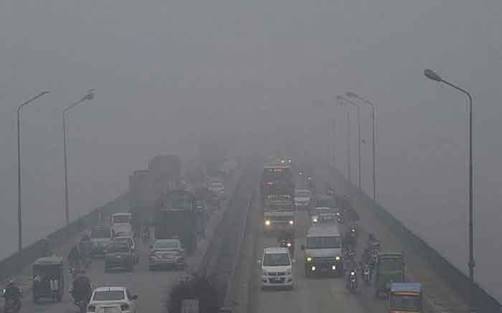
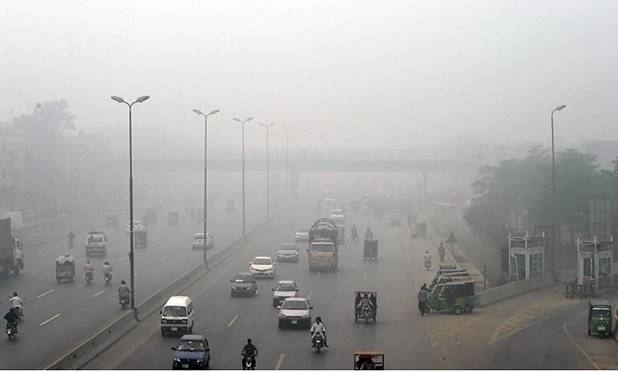
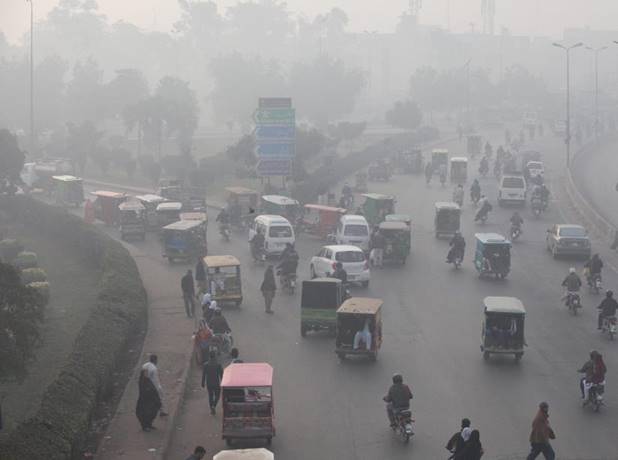
Lahore, the capital of the Punjab province, is rapidly urbanizing, emerging as a regional urban center with key commercial, financial, industrial, and socio-cultural significance. The estimated population of Lahore currently exceeds 14 million. However, the city is grappling with a myriad of challenges such as pollution, urban sprawl, housing issues, inadequate sewerage and water supply, limited public transport, scarce health and education facilities, traffic congestion, haphazard commercialization, and a rising crime rate.
With the city’s population projected to double to 25 million by 2050, its already inadequate infrastructure and public services are anticipated to face insufferable stress in the years to come. The once renowned “City of Gardens” now appears as a “City of Concrete,” symbolizing the profound changes brought about by rapid urbanization.
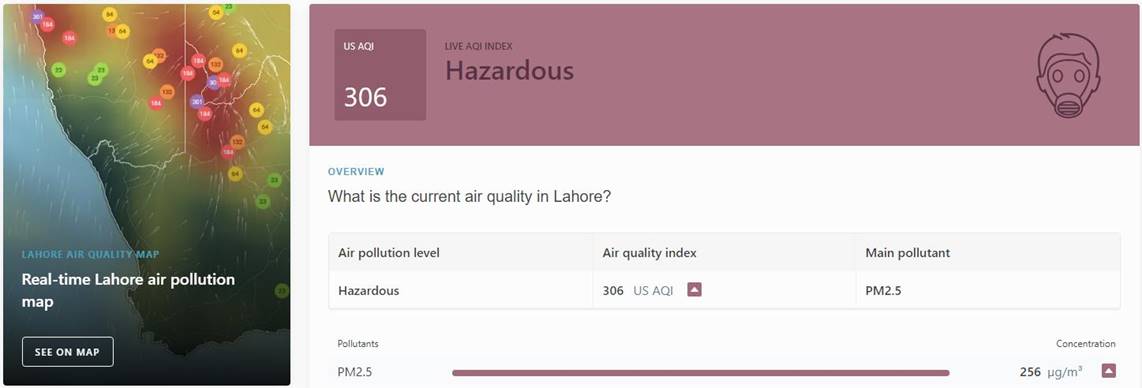
Lahore, in Pakistan, has witnessed a concerning degradation in air quality, ranking among the cities with the worst air globally in 2022 and 2023, according to a survey by a Swiss air tracking company. Pakistan stood third among the countries with the most polluted air, with Bangladesh ranking fifth and India eighth.
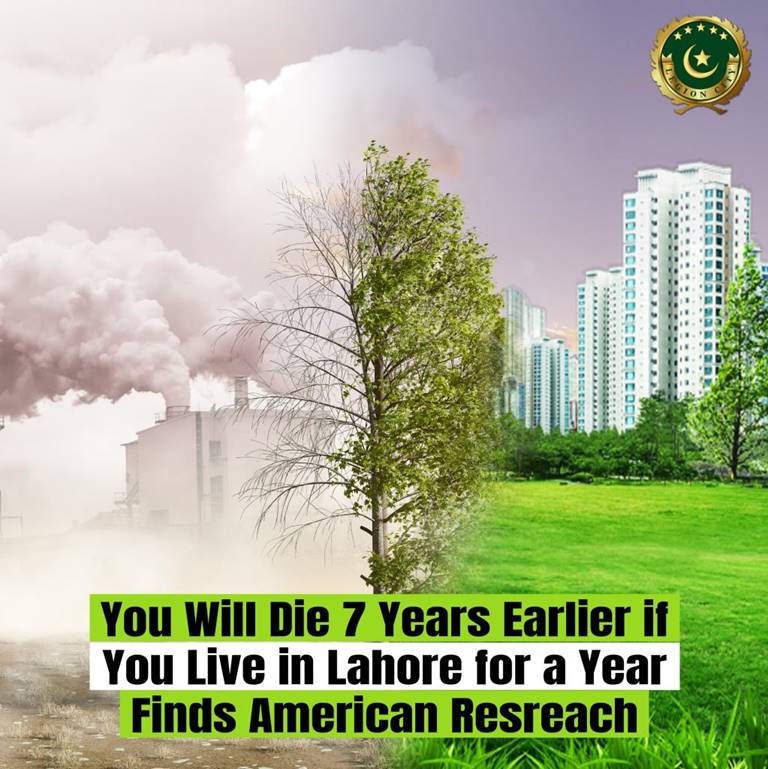
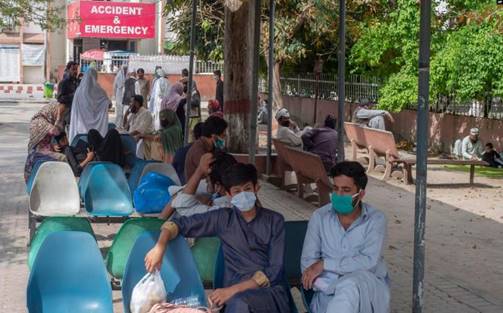
The liveability conditions in Lahore are significantly impacted by smog, particularly during winter months. This hazardous air pollution, stemming from vehicular emissions, industrial activities, and agricultural burning, poses severe health risks. Smog exposure can lead to a range of adverse health effects, from mild respiratory irritation to serious conditions such as asthma, bronchitis, and lung cancer. Vulnerable populations, including children, the elderly, and individuals with pre-existing respiratory conditions, are particularly at risk.
Addressing the smog problem in Lahore necessitates a multi-faceted approach that targets various sources of pollution. This includes enforcing stricter regulations, promoting sustainable transportation, adopting cleaner industrial practices, and taking steps to improve air quality and protect public health. The city faces a critical juncture where concerted efforts are required to mitigate the adverse impacts of rapid urbanization on the environment and the well-being of its residents.