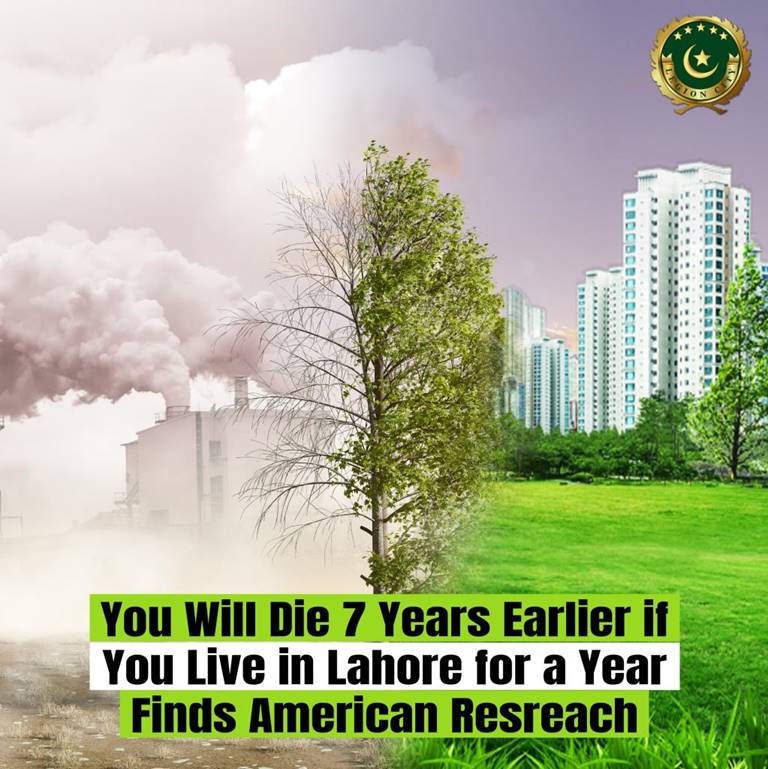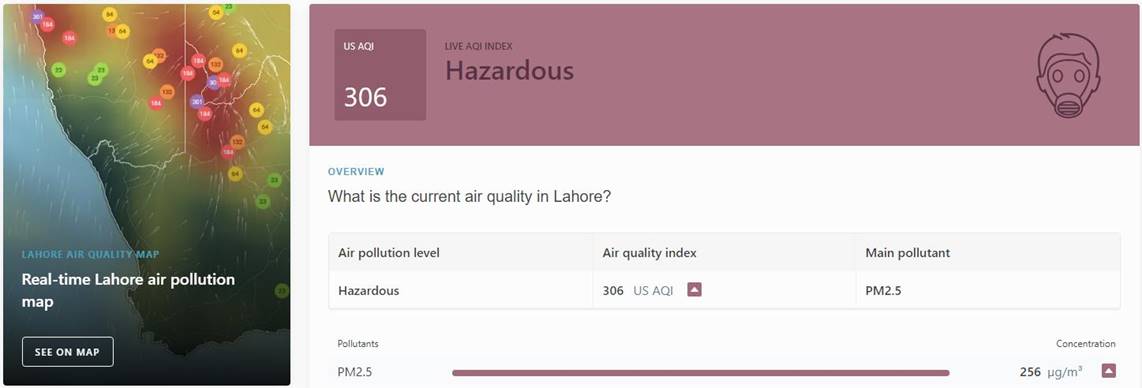
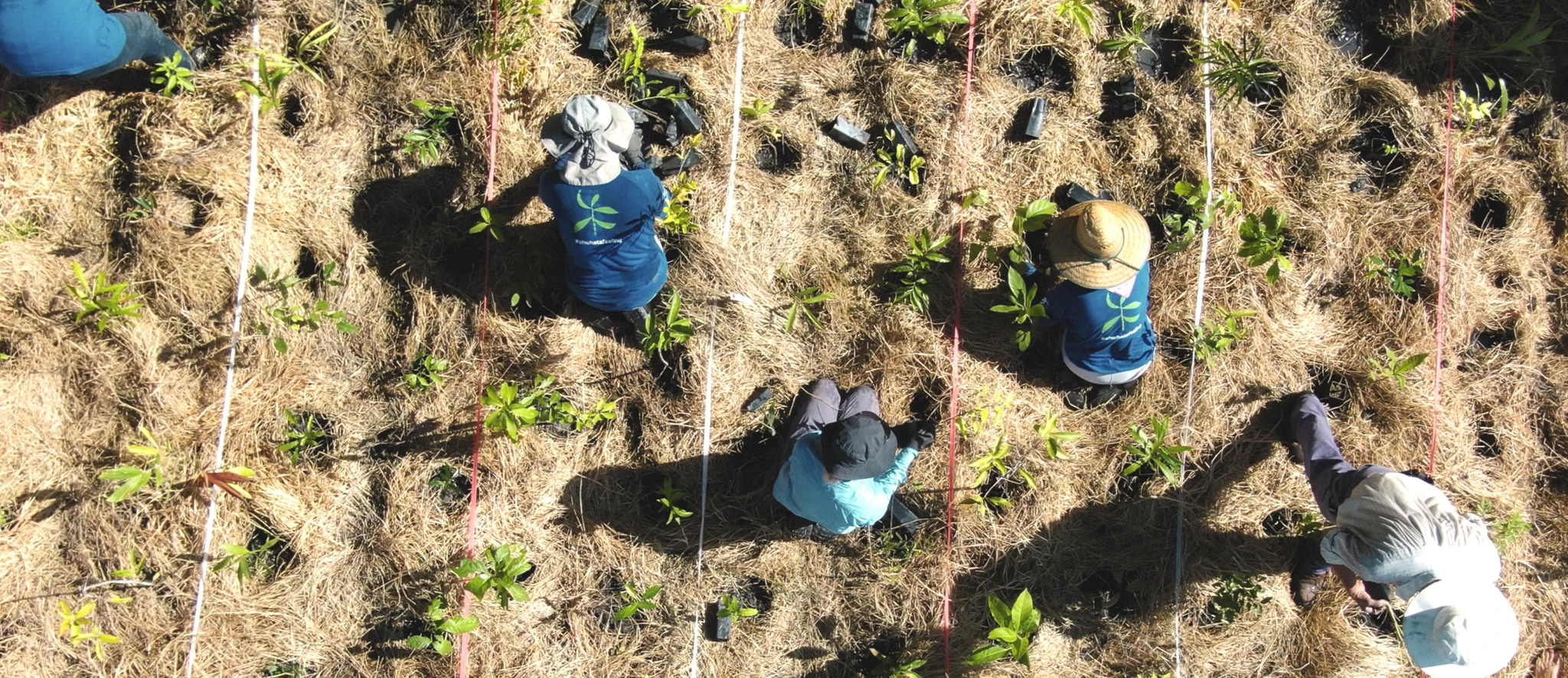
In the heart of Legion City, there’s a special forest called a Miyawaki forest. It’s like a giant air filter, cleaning the air and making it healthier for everyone. It’s also a home for lots of animals and plants, and it helps keep the city cool. This forest shows how Legion City can be both green and modern!
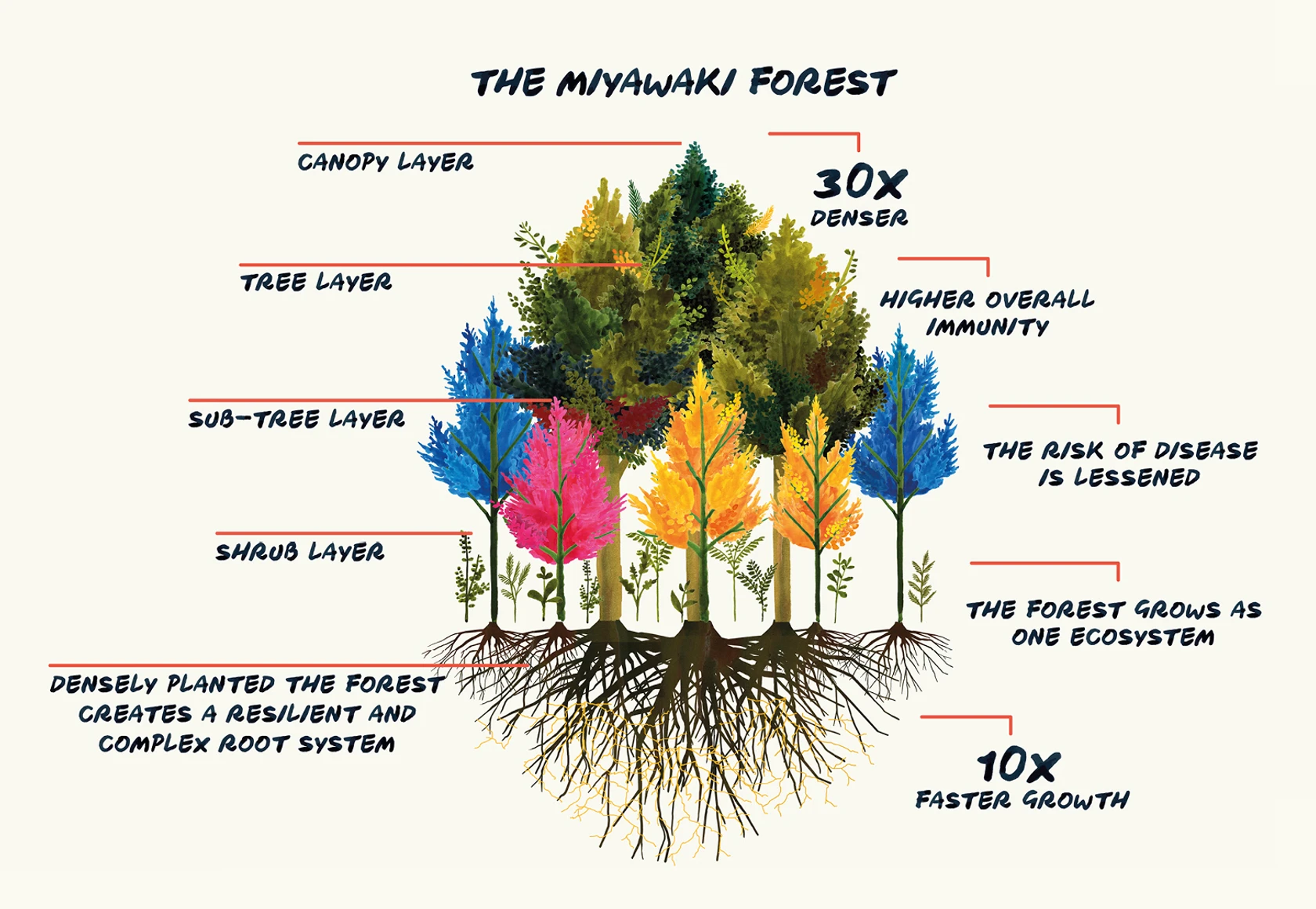
Dense vegetation: Miyawaki forests are planted with a high density of native trees and shrubs, creating a dense and multi-layered canopy. This canopy acts as a filter, trapping and removing particulate matter (PM) and other pollutants from the air.
Increased oxygen production: Trees and plants absorb carbon dioxide and release oxygen, improving air quality. This can help to alleviate the respiratory effects of smog exposure.
Reduced urban heat island effect: Smog is often exacerbated by the urban heat island effect, where temperatures in cities are higher than in surrounding areas. Miyawaki forests can help to cool cities down by providing shade and evapotranspiration.
Improved biodiversity: Miyawaki forests attract a diverse range of insects, birds, and other animals, which can help to control pest populations and improve the overall health of the ecosystem.
Social and economic benefits: Planting and maintaining Miyawaki forests can create jobs, improve public health, and enhance the aesthetics of cities.
Examples in Lahore:
- World’s largest Miyawaki forest: Inaugurated in 2021, this 12.5-acre forest has over 165,000 native plants and is expected to grow 10 times faster and 30 times denser than traditional forests.
- 53 Miyawaki forests: Several other Miyawaki forests have been planted in different parts of Lahore, contributing to air purification and environmental conservation.
While Miyawaki forests alone cannot completely solve the problem of smog in Lahore, they can be a valuable tool in the fight against air pollution. They offer a natural and sustainable solution that can benefit both the environment and public health.